

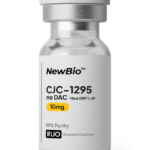
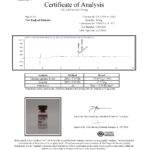
 COA
COA
What is CJC-1295 No DAC?
CJC-1295 No DAC, commonly called Modified GRF (1-29), is a synthetic peptide analog derived from the biologically active region of growth hormone–releasing hormone (GHRH). In research settings, the peptide is studied as a GHRH receptor agonist that interacts with signaling pathways involved in pituitary hormone regulation and activation of the growth hormone (GH) / insulin-like growth factor-1 (IGF-1) endocrine axis [1][2].
Structurally, CJC-1295 No DAC contains a 29-amino-acid sequence based on the active portion of endogenous GHRH, with several targeted substitutions that increase resistance to enzymatic degradation while preserving receptor-binding activity. These modifications allow the peptide to remain stable long enough to activate GHRH receptors in experimental systems while still producing a time-limited signaling window that resembles natural GHRH activity patterns [3][4].
In endocrine signaling studies, CJC-1295 No DAC is commonly used to investigate how activation of the pituitary GHRH receptor triggers downstream signaling events such as cyclic-AMP–mediated cellular activation and pulsatile growth hormone secretion from somatotroph cells [5]. Because this mechanism stimulates endogenous hormone release rather than introducing exogenous growth hormone, the peptide provides a useful model for studying physiological GH pulse dynamics and feedback regulation within the hypothalamic–pituitary axis.
CJC-1295 No DAC vs CJC-1295 with DAC
CJC-1295 No DAC differs from the DAC-modified variant primarily through the absence of the Drug Affinity Complex (DAC) moiety. The DAC version contains a reactive group that allows the peptide to bind circulating albumin, greatly extending its duration of activity.
Without this albumin-binding modification, CJC-1295 No DAC has a shorter functional signaling window, making it better suited for experimental models designed to study pulsatile receptor activation and transient endocrine signaling rather than prolonged stimulation.
Because endogenous GHRH naturally acts in bursts that trigger discrete GH pulses, the non-DAC version is often used in research examining pulse-dependent signaling dynamics within the somatotropic axis.
CJC-1295 No DAC: Purity and Stability
CJC-1295 No DAC supplied by NewBioRx is produced using controlled solid-phase peptide synthesis (SPPS) designed to ensure high sequence fidelity and batch reproducibility. After synthesis, the peptide undergoes purification using high-performance liquid chromatography (HPLC) to remove truncated sequences and synthesis byproducts.
Analytical verification methods, such as mass spectrometry and chromatographic profiling, are used to confirm molecular identity and purity levels typically exceeding ≥99.9%. Each batch is supported by Certificates of Analysis documenting purity verification, identity confirmation, and key physicochemical characteristics relevant to laboratory research.
This material is supplied strictly for laboratory research use only and is not intended for human or veterinary applications.
CJC-1295 No DAC: Chemical Identity
CJC-1295 No DAC is a synthetic peptide analog consisting of a modified 29 amino acid sequence derived from the biologically active region of growth hormone releasing hormone. The peptide backbone includes targeted amino acid substitutions that improve resistance to enzymatic degradation while maintaining interaction with the GHRH receptor.
As a modified fragment of an endogenous signaling peptide, CJC-1295 No DAC provides a stable molecular tool for investigating receptor mediated endocrine signaling and peptide ligand dynamics in controlled laboratory systems.
CJC 1295 Chemical Structure
CJC 1295 2D Structure

CJC 1295 3D Structure

Chemical Properties and Registry Information for CJC-1295 No DAC
CJC-1295 No DAC is characterized by the following molecular identifiers and registry data, provided for compound verification and laboratory reference.
| Property | Value |
| Name & Synonyms | CJC-1295 No DAC; Modified GRF (1-29); tetrasubstituted GHRH analog |
| PubChem CID | 91976842 |
| CAS Number | 863288-34-0 |
| Molecular Formula | C152H252N44O42 |
| Molecular Weight | ~3367.9 g/mol |
| Peptide Length | 29 amino acids |
| Compound Class | Synthetic peptide analog |
| Primary Targets | Growth hormone releasing hormone receptor (GHRHR) |
| InChIKey | XOZMWINMZMMOBR-HRDSVTNWSA-N |
| IUPAC Name |
DL-tyrosyl-DL-alanyl-DL-alpha-aspartyl-DL-alanyl-DL-isoleucyl-DL-phenylalanyl-DL-threonyl-DL-glutaminyl-DL-seryl-DL-tyrosyl-DL-arginyl-DL-lysyl-DL-valyl-DL-leucyl-DL-alanyl-DL-glutaminyl-DL-leucyl-DL-seryl-DL-alanyl-DL-arginyl-DL-lysyl-DL-leucyl-DL-leucyl-DL-glutaminyl-DL-alpha-aspartyl-DL-isoleucyl-DL-leucyl-DL-seryl-DL-argininamide
|
|---|
CJC-1295 No DAC provides a useful experimental model for studying growth hormone releasing hormone receptor signaling and peptide mediated endocrine regulation pathways. The GHRH receptor is a class B G protein coupled receptor involved in activating intracellular signaling cascades that regulate hormone secretion and downstream transcriptional responses in endocrine tissues.
Because CJC-1295 No DAC is a structurally stabilized analog of the active GRF (1-29) peptide fragment, it allows researchers to investigate receptor binding dynamics and signaling activation with improved resistance to enzymatic degradation compared to the native hormone fragment. This structural stability can support more consistent signaling measurements in biochemical assays and cellular model systems.
By enabling controlled investigation of GHRH receptor activation and downstream signaling pathways, CJC-1295 No DAC serves as a practical research tool for examining peptide hormone signaling, receptor activation kinetics, and endocrine regulatory mechanisms in laboratory research environments.
CJC-1295 No DAC: Research Applications
CJC-1295 No DAC is used in controlled laboratory systems as a peptide research tool for interrogating growth hormone releasing hormone receptor pharmacology, endocrine signaling, and peptide stability. Because it represents the tetrasubstituted hGRF(1-29) core without the albumin-binding DAC modification, it is especially useful in experimental models that need a shorter-acting GHRH analog for studying receptor activation, signaling kinetics, and peptide clearance under defined conditions.
Muscle Development and Body Composition Research
CJC-1295 No DAC is frequently investigated in laboratory models that explore how growth hormone–releasing hormone signaling influences body composition. By activating the GHRH receptor, the peptide can stimulate downstream endocrine pathways that regulate growth hormone and IGF-1 activity. Researchers study these signaling pathways because they are closely associated with processes such as lean muscle maintenance, protein synthesis, and metabolic regulation.
Experimental and clinical investigations of GHRH analogs have shown that stimulating the GH/IGF-1 axis can increase lean body mass while improving body composition markers in adult subjects. Early studies demonstrated that administration of GHRH fragments restored circulating GH and IGF-1 levels in older men and produced measurable improvements in lean body mass and physical function [1]. Because CJC-1295 No DAC is derived from the same active GHRH region, it is commonly used in research examining how peptide-based receptor activation may influence anabolic signaling in muscle tissue.
Scientists also study how GH-related signaling affects muscle performance and recovery parameters. In controlled research environments, increases in GH activity have been linked to improved muscle strength and endurance metrics alongside increased nocturnal GH secretion [1][2]. These findings make GHRH analogs valuable research tools for understanding the molecular signaling processes that regulate muscle maintenance and body composition.
Fat Metabolism and Visceral Fat Regulation Studies
Another major area of investigation involves how GHRH-mediated GH signaling influences fat metabolism. Growth hormone is known to stimulate lipolysis, the metabolic process in which stored triglycerides are broken down into fatty acids that can be used for energy. For this reason, peptides that activate the GHRH receptor are frequently examined in metabolic research models that analyze body fat regulation.
Clinical research involving GHRH analogs has demonstrated reductions in visceral adipose tissue, the metabolically active fat stored around internal organs. In randomized trials involving individuals with reduced growth hormone secretion, treatment with a GHRH analog significantly reduced abdominal visceral fat while preserving lean mass [3]. Similar metabolic studies have shown that GH stimulation combined with dietary interventions increases the proportion of body weight lost as fat rather than lean tissue [4].
Because visceral fat accumulation is associated with metabolic conditions such as insulin resistance and cardiovascular risk, these findings have made GH-axis signaling an important focus in metabolic research. In laboratory environments, CJC-1295 No DAC can therefore be used to explore how activation of the GHRH receptor influences pathways involved in lipid metabolism, energy balance, and body composition regulation.
Recovery, Tissue Repair, and Regenerative Signaling
Growth hormone and IGF-1 signaling are also central to many biological processes involved in tissue repair and regeneration. As a result, GHRH analog peptides are often investigated in research models examining how endocrine signaling influences cellular recovery mechanisms following injury or physiological stress.
Growth hormone plays a well-established role in protein synthesis, collagen formation, and cellular proliferation. Experimental studies have shown that GH signaling promotes the activity of fibroblasts and other repair-associated cell types, helping coordinate tissue remodeling and structural repair processes. IGF-1, which is stimulated downstream of GH signaling, also supports muscle regeneration by activating satellite cells responsible for repairing damaged muscle fibers.
Because of these mechanisms, research involving GHRH analogs frequently examines how endocrine signaling contributes to connective tissue remodeling and recovery following intense physical activity. Studies investigating GH-axis stimulation have reported improvements in tissue repair processes and cellular regeneration pathways that support structural recovery and repair in musculoskeletal systems [2].
Sleep Physiology and Growth Hormone Pulse Research
Sleep physiology is another important area of study involving GHRH signaling. Growth hormone secretion is closely tied to the body's circadian rhythm, with the largest GH pulses typically occurring during deep slow-wave sleep. Because of this relationship, peptides that stimulate the GHRH receptor are often used to investigate the interaction between endocrine signaling and sleep architecture.
Research has shown that GHRH itself functions as a sleep-promoting neuropeptide that can increase slow-wave sleep duration and influence nighttime GH secretion patterns. These nocturnal GH pulses play a major role in processes such as muscle recovery, metabolic regulation, and cellular repair. When researchers examine GHRH analogs in controlled environments, they can study how enhanced receptor activation influences these natural sleep-associated hormone pulses.
Understanding this relationship between sleep, endocrine signaling, and recovery has become increasingly important in research examining aging, metabolic health, and athletic performance. By providing a controlled analog of endogenous GHRH signaling, CJC-1295 No DAC offers a useful tool for studying how pulsatile GH release interacts with circadian rhythms and physiological recovery systems.
Peptide Engineering and Endocrine Signaling Studies
Beyond metabolic and physiological models, CJC-1295 No DAC is also used in peptide engineering research. The compound is based on the active portion of GHRH but incorporates targeted amino acid substitutions designed to improve biochemical stability while preserving receptor activity. This design allows researchers to compare how different peptide modifications affect receptor binding, signaling duration, and enzymatic stability.
Studies examining the GH/IGF-1 axis have shown that stabilized GHRH analogs can sustain endocrine signaling for longer periods than native peptides while maintaining receptor specificity [2][3]. By comparing modified peptides such as CJC-1295 No DAC with native GHRH fragments, researchers can investigate how structural changes influence peptide degradation, receptor engagement, and downstream endocrine responses.
These types of studies are particularly important for understanding peptide pharmacology and developing improved research tools for investigating hormone signaling systems. In laboratory settings, CJC-1295 No DAC is therefore used in receptor signaling assays, endocrine pathway studies, and peptide stability experiments that explore how engineered peptide structures interact with biological signaling networks.
How CJC-1295 No DAC Works (Mechanism of Action)
CJC-1295 No DAC functions as an agonist of the growth hormone releasing hormone receptor. In laboratory research, the peptide engages this receptor to activate intracellular signaling pathways associated with endocrine peptide signaling and hormone regulation. Through this interaction, CJC-1295 No DAC is commonly used in experimental models to study receptor mediated signaling processes, second messenger systems, and the molecular regulation of pituitary endocrine pathways.
Target Engagement
CJC-1295 No DAC interacts directly with the growth hormone releasing hormone receptor, a class B G protein coupled receptor expressed on pituitary somatotroph cells. The receptor normally binds endogenous growth hormone releasing hormone, a hypothalamic peptide that regulates pituitary hormone signaling [2]. CJC-1295 No DAC is derived from the active N terminal segment of the native peptide and retains the structural motifs required for receptor recognition.
Biochemical and structural studies of GHRH receptor complexes demonstrate that ligand binding involves coordinated interactions between the peptide ligand and the extracellular domain of the receptor. These interactions stabilize the receptor in an active conformation capable of coupling to intracellular G proteins. Amino acid substitutions present in CJC-1295 No DAC increase resistance to enzymatic degradation while preserving receptor binding affinity, allowing the peptide to serve as a stable experimental agonist in receptor binding and signaling assays.
Downstream Signaling Pathways
Following receptor engagement, the growth hormone releasing hormone receptor primarily couples to stimulatory G proteins that activate adenylyl cyclase. This enzymatic activation increases intracellular cyclic AMP levels, a central second messenger in endocrine signaling pathways. Elevated cyclic AMP activates protein kinase A and related signaling intermediates, initiating phosphorylation events that regulate ion channel activity, transcription factor activation, and hormone secretion pathways.
Laboratory investigations have shown that this signaling cascade also influences calcium dynamics within endocrine cells. Increased cyclic AMP levels can promote membrane depolarization and facilitate calcium entry through voltage dependent calcium channels. The combined activity of cyclic AMP signaling and calcium influx coordinates cellular responses associated with peptide hormone signaling.
These processes are commonly measured in experimental systems using cyclic AMP assays, calcium imaging, reporter gene constructs, and electrophysiological recordings.
Cellular Effects in Experimental Models
In cell culture and preclinical endocrine models, activation of the growth hormone releasing hormone receptor by CJC-1295 No DAC has been associated with several measurable biochemical responses. Experimental studies commonly report increased cyclic AMP production, modulation of intracellular calcium signaling, and activation of transcriptional pathways associated with endocrine peptide signaling.
Pituitary cell cultures and engineered receptor expressing cell lines are frequently used to characterize these responses. In such systems, researchers measure endpoints including cyclic AMP accumulation, kinase activation, and hormone secretion markers to evaluate receptor signaling dynamics.
Because CJC-1295 No DAC is structurally stabilized relative to the native GRF(1-29) fragment, it provides a reliable tool for studying receptor activation kinetics and peptide stability in controlled laboratory environments.
Through these mechanisms, CJC-1295 No DAC serves as a model ligand for investigating growth hormone releasing hormone receptor signaling, peptide ligand design, and endocrine pathway regulation within experimental research systems.
CJC-1295 No DAC Lab Safety & Handling Guidelines
This product contains CJC-1295 No DAC at 99.98% purity and should be handled in accordance with standard protocols for research-grade peptide compounds. Handling should be restricted to qualified research personnel following appropriate chemical hygiene and peptide handling procedures.
Since this compound is supplied as a lyophilized peptide, it should be stored under controlled conditions to help preserve peptide structure, analytical purity, and chemical stability over time. For long-term storage, the material should be kept at −4 °F (−20 °C) or below and protected from heat, moisture, and direct light to minimize degradation and maintain consistency for laboratory research applications.
After reconstitution, peptide solutions are typically stored at 36–46 °F (2–8 °C). Proper refrigerated storage and careful handling help reduce degradation pathways such as hydrolysis, oxidation, and peptide aggregation during short-term laboratory use.
Handling Guidelines
Proper handling practices help maintain peptide integrity throughout storage and preparation.
- Store lyophilized material at −4 °F (−20 °C) or below
- Allow vial to reach room temperature before opening
- Protect from light, heat, and humidity
- Use sterile laboratory equipment during preparation
- Avoid repeated freeze-thaw cycles
- Label reconstituted samples with preparation date and concentration
These practices help support sample consistency and experimental reproducibility.
Reconstitution Guidelines
Standard peptide preparation procedures should be followed to help maintain solution quality and molecular stability.
- Reconstitute with sterile bacteriostatic water or appropriate laboratory buffer
- Add solvent slowly along the vial wall to minimize foaming
- Avoid vigorous agitation or vortexing
- Gently swirl until the peptide is dissolved
- Store reconstituted solutions at 36–46 °F (2–8 °C)
- Prepare aliquots where appropriate to reduce freeze-thaw cycles
Careful reconstitution helps maintain peptide stability and supports more reliable handling in laboratory workflows.
Laboratory Safety Protocols
General chemical safety practices should be followed when handling research peptides in laboratory environments.
- Wear PPE including gloves, lab coat, and protective eyewear
- Handle compounds within approved laboratory workspaces
- Avoid inhalation, ingestion, or direct contact
- Dispose of materials according to institutional chemical waste procedures
- Maintain proper labeling and documentation for stored research compounds
These practices support safe laboratory operation and appropriate research material control.
All products supplied by NewBioRx are intended strictly for laboratory research and development use only and are not approved for human or veterinary use.
Frequently Asked Questions
What is the difference between CJC-1295 No DAC and CJC-1295 with DAC?
CJC-1295 No DAC and CJC-1295 with DAC are closely related GHRH analog peptides but differ in structural design and experimental signaling behavior. CJC-1295 No DAC is a modified GRF(1-29) peptide without an albumin-binding component, resulting in shorter experimental persistence. In contrast, CJC-1295 with DAC contains a drug affinity complex that enables albumin binding and prolonged circulation in experimental systems. These structural differences allow researchers to study both transient and sustained GHRH receptor signaling dynamics.
Is CJC-1295 No DAC the same as Modified GRF (1-29)?
Yes. CJC-1295 No DAC is widely referred to in the literature as Modified GRF (1-29) or tetrasubstituted GRF(1-29). The compound is derived from the active region of growth hormone releasing hormone and includes targeted amino acid substitutions designed to improve peptide stability while maintaining receptor interaction. These modifications make the peptide a commonly used research tool for investigating GHRH receptor signaling pathways and endocrine peptide dynamics in laboratory systems.
What purity testing is performed on CJC-1295 No DAC?
CJC-1295 No DAC supplied by NewBioRx is produced using controlled solid phase peptide synthesis methods followed by purification and analytical verification. Each batch undergoes chromatographic analysis such as high performance liquid chromatography to confirm identity and chemical purity, typically exceeding 99.9%. Certificates of Analysis are provided to document analytical verification, helping researchers confirm material identity, purity, and batch consistency for laboratory research applications.
How should CJC-1295 No DAC be stored before and after reconstitution?
Lyophilized CJC-1295 No DAC should typically be stored at −4 °F (−20 °C) or below in a sealed vial protected from moisture, heat, and light. Under controlled storage conditions, peptide structure and analytical purity can be preserved for extended periods. After reconstitution with sterile solvent, peptide solutions are generally stored at 36–46 °F (2–8 °C) and used within a limited timeframe to reduce degradation processes such as hydrolysis and oxidation.
Why do researchers choose CJC-1295 No DAC instead of longer-acting GHRH analogs?
Researchers often select CJC-1295 No DAC when experimental designs require shorter signaling intervals or precise control over receptor activation timing. Because the peptide lacks the albumin-binding drug affinity complex present in DAC-modified analogs, its signaling activity is more transient in experimental models. This property allows investigators to study pulsatile receptor activation, receptor desensitization mechanisms, and acute endocrine signaling responses in controlled laboratory systems.
Regulatory & Legal (U.S.)
All products supplied by NewBioRx are intended strictly for research and development use. These materials are provided for laboratory investigation and scientific experimentation and are not supplied for use in humans or animals.
This product is not a drug, food, dietary supplement, medical device, or cosmetic. It has not been approved by the U.S. Food and Drug Administration (FDA) for medical, diagnostic, or therapeutic use. Any statements regarding the compound are derived from published scientific literature and have not been evaluated by the FDA. These materials are not intended to diagnose, treat, cure, or prevent any disease.
Materials supplied by NewBioRx must be handled only by qualified professionals trained in laboratory research procedures. The introduction of this product into humans or animals is strictly prohibited and may violate applicable laws and regulations.
Researchers and institutions are responsible for ensuring that the purchase, handling, storage, use, and disposal of research materials comply with all applicable federal, state, and local regulations, as well as institutional policies governing laboratory research.
Sources & References
1. Once-daily administration of CJC-1295, a long-acting growth hormone-releasing hormone (GHRH) analog, normalizes growth in the GHRH knockout mouse. Alba M, Fintini D, Sagazio A, Lawrence B, Castaigne JP, Frohman LA, Salvatori R. American Journal of Physiology – Endocrinology and Metabolism, 2006 Dec;291(6):E1290–E1294. https://doi.org/10.1152/ajpendo.00201.2006
2. Activation of the GH/IGF-1 axis by CJC-1295, a long-acting GHRH analog, results in serum protein profile changes in normal adult subjects. Sackmann-Sala L, Ding J, Frohman LA, Kopchick JJ. Growth Hormone & IGF Research, 2009 Dec;19(6):471–477. https://doi.org/10.1016/j.ghir.2009.03.001
3. Human growth hormone-releasing factor (hGRF)1-29-albumin bioconjugates activate the GRF receptor on the anterior pituitary in rats: identification of CJC-1295 as a long-lasting GRF analog. Jetté L, Léger R, Thibaudeau K, Benquet C, Robitaille M, Pellerin I, Paradis V, van Wyk P, Pham K, Bridon DP. Endocrinology, 2005 Jul;146(7):3052–3058. https://doi.org/10.1210/en.2004-1286
4. Synthesis of new potent agonistic analogs of growth hormone-releasing hormone (GHRH) and evaluation of their endocrine and cardiac activities. Cai R, Schally AV, Cui T, Szalontay L, Halmos G, Sha W, Kovacs M, Jaszberenyi M, He J, Rick FG, Popovics P, Kanashiro-Takeuchi R, Hare JM, Block NL, Zarandi M. Peptides, 2014 Feb;52:104–112. https://doi.org/10.1016/j.peptides.2013.12.010
5. Dependence of the excitability of pituitary cells on cyclic nucleotides. Stojilkovic SS, Kretschmannova K, Tomić M, Stratakis CA. Journal of Neuroendocrinology, 2012 Sep;24(9):1183–1200. https://doi.org/10.1111/j.1365-2826.2012.02335.x