


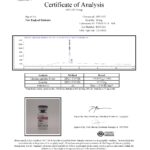
 COA
COA
What is BPC-157?
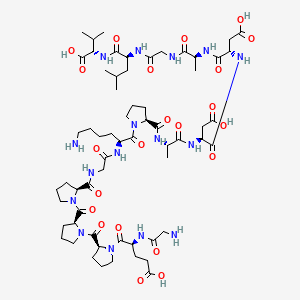
BPC-157 (Body Protection Compound-157), also designated as PL-14736, is a synthetic pentadecapeptide composed of 15 amino acids: (Gly-Glu-Pro-Pro-Pro-Gly-Lys-Pro-Ala-Asp-Asp-Ala-Gly-Leu-Val).
The peptide was originally characterized in the early 1990s as a stable fragment derived from a protective protein found in human gastric juice [1]. Within research settings, BPC-157 is studied as a signaling pathway modulator associated with cytoprotective responses, vascular regulation, and cellular processes involved in connective tissue biology.
Experimental literature describes BPC-157 as a relatively stable short peptide compared with many endogenous regulatory peptides. The sequence structure allows the molecule to remain intact in gastric environments for extended periods, with studies reporting stability in human gastric juice for more than 24 hours [1]. This stability has made the peptide a useful research tool in experimental models investigating peptide signaling under physiologically relevant biochemical conditions.
Mechanistic investigations suggest BPC-157 interacts with several molecular pathways involved in angiogenic regulation, nitric oxide signaling, and cytoskeletal organization. Experimental models have examined its influence on vascular endothelial growth factor receptor-2 (VEGFR2) signaling, including activation of downstream VEGFR2–Akt–eNOS pathways associated with endothelial cell proliferation and vascular signaling processes. Additional studies have explored activation of focal adhesion kinase (FAK) and paxillin pathways in fibroblasts, which are involved in cellular migration, extracellular matrix interactions, and structural tissue dynamics [2].
Research also indicates that BPC-157 may influence nitric oxide regulation through multiple signaling axes, including VEGFR2-dependent pathways and the Src–caveolin-1–eNOS signaling cascade. These interactions have been examined in experimental systems investigating vascular signaling balance, oxidative stress responses, and endothelial cell communication. In parallel, studies have reported modulation of early growth response-1 (EGR-1) expression and its regulatory partner NAB2, which are involved in cytokine signaling and early extracellular matrix formation during cellular response processes [2].
Because these pathways are relevant to vascular biology and connective tissue systems, BPC-157 has been studied across a range of experimental tissue models, including gastrointestinal, musculoskeletal, vascular, and neural systems. These investigations primarily focus on understanding peptide-mediated signaling events associated with angiogenesis, cellular migration, cytoprotection, and extracellular matrix dynamics.
For laboratory research applications, peptide purity and structural integrity are important factors affecting assay reproducibility and biochemical signaling studies. NewBioRx produces BPC-157 using controlled solid-phase peptide synthesis (SPPS), followed by purification through high-performance liquid chromatography (HPLC) to remove truncated peptide fragments and synthesis byproducts. Analytical verification methods are applied to confirm peptide identity, chemical purity, and batch consistency across production lots. Additional quality assessments evaluate physicochemical characteristics relevant to laboratory use, including solubility, molecular integrity, and stability under recommended storage conditions.
BPC-157 supplied by NewBioRx is intended strictly for laboratory research use and is not approved for human or veterinary applications.
BPC-157 Chemical Identity
BPC-157 is a synthetic pentadecapeptide composed of 15 amino acids derived from a fragment of a naturally occurring gastric protein sequence. The peptide corresponds to the sequence Gly-Glu-Pro-Pro-Pro-Gly-Lys-Pro-Ala-Asp-Asp-Ala-Gly-Leu-Val; this short peptide backbone and specific residue composition contribute to structural stability in experimental environments.
In biochemical systems, these structural features allow BPC-157 to interact with signaling pathways associated with endothelial regulation, cytoskeletal organization, and nitric oxide mediated cellular processes.
Chemical Properties and Registry Information for BPC-157
The following chemical identifiers describe the molecular composition and registry information associated with this compound for laboratory research.
| Property | Information |
| Name & Synonyms | BPC-157; Body Protection Compound 157 |
| PubChem CID | 9941957 |
| CAS Number | 137525-51-0 |
| Molecular Formula | C62H98N16O22 |
| Molecular Weight | 1419.5 g/mol |
| Peptide Length | 15 amino acids |
| Compound Class | Synthetic pentadecapeptide |
| Primary Targets | Nitric oxide signaling pathways; VEGF-related angiogenic signaling |
| InChIKey | HEEWEZGQMLZMFE-RKGINYAYSA-N |
| IUPAC Name |
glycyl-L-alpha-glutamyl-L-prolyl-L-prolyl-L-prolyl-glycyl-L-lysyl-L-prolyl-L-alanyl-L-alpha-aspartyl-L-alpha-aspartyl-L-alanyl-glycyl-L-leucyl-L-valine
|
|---|
Unlike many short signaling peptides that rapidly degrade in biological systems, BPC-157 exhibits relatively high structural stability and resistance to proteolytic breakdown. This property has made the peptide of particular interest in experimental models examining peptide signaling persistence and tissue-level regulatory pathways..
2D Structure
3D Structure

BPC-157 Research Applications
BPC-157 is used in laboratory research as a peptide tool for studying tissue-associated signaling pathways, vascular responses, and cell migration behavior in controlled experimental systems. Across biochemical assays, cell culture models, and preclinical animal studies, mechanistic investigations have focused on how BPC-157 interacts with nitric oxide signaling, angiogenic regulation, cytoskeletal remodeling, and epithelial or connective tissue repair processes.
Tendon and Ligament Models
BPC-157 has been investigated in connective tissue research models examining fibroblast migration, cytoskeletal signaling, and extracellular matrix organization during tendon repair. In tendon explant experiments, exposure to BPC-157 increased fibroblast outgrowth, enhanced migration in transwell assays, and improved cell survival under oxidative stress conditions. These effects were associated with increased F-actin formation and activation of focal adhesion kinase (FAK) and paxillin phosphorylation, signaling events central to cell attachment and cytoskeletal remodeling during tissue repair processes [4].
Additional in vitro studies on tendon fibroblasts reported increased growth hormone receptor expression following BPC-157 exposure at both the mRNA and protein level. In those experiments, pretreatment with the peptide enhanced subsequent responses to growth hormone stimulation, including increased cell viability, elevated proliferating cell nuclear antigen (PCNA) expression, and greater JAK2 phosphorylation activity [5]. These findings have led researchers to examine BPC-157 in experimental systems studying receptor regulation, fibroblast proliferation pathways, and cross-talk between peptide signaling and anabolic regulatory mechanisms.
Beyond isolated cell studies, connective tissue research summarized in review literature describes repeated observations of BPC-157-associated changes in collagen organization, fibroblast behavior, and tissue structural remodeling across tendon and ligament injury models [2]. These experimental systems often measure endpoints such as cellular migration capacity, collagen fiber organization, and biomechanical properties of healing connective tissue.
Muscle Injury and Regeneration Models
Muscle repair represents another area where BPC-157 has been explored in preclinical experimental systems. In muscle injury models, investigators typically examine biochemical and histological indicators of tissue remodeling, including inflammatory cell infiltration, collagen organization, and structural regeneration of muscle fibers. Review literature describing these studies frequently frames BPC-157 within broader research on peptide-mediated modulation of vascular signaling, extracellular matrix organization, and nitric oxide–associated cellular responses during injury recovery [2].
Experimental wound biology research has also investigated BPC-157 within multi-tissue repair frameworks where collagen deposition, vascular development, and inflammatory responses are analyzed simultaneously. Early histological studies examining skin wounds, colon anastomoses, and sponge implantation models evaluated tissue organization parameters such as reticulin fibers, collagen architecture, and blood vessel formation in healing tissue environments [8]. These types of models are commonly used to investigate how signaling molecules influence coordinated repair responses rather than isolated cellular processes.
Together, these research approaches position BPC-157 as a peptide tool for studying interactions between connective tissue cells, vascular signaling pathways, and extracellular matrix remodeling in controlled experimental models.
Bone Healing and Regeneration Models
Bone regeneration research involving BPC-157 generally focuses on interactions between vascular signaling, mesenchymal cell recruitment, and extracellular matrix deposition within bone repair environments. Angiogenic signaling is a recurring theme in this area because vascular development plays an essential role in delivering oxygen, nutrients, and osteogenic precursor cells to healing bone tissue.
Experimental work examining angiogenic responses during muscle and tendon healing reported increased expression of angiogenesis-associated markers such as vascular endothelial growth factor (VEGF), CD34, and factor VIII within injured tissues following BPC-157 exposure [6]. These markers are commonly used in experimental bone and connective tissue studies to evaluate vascular activation and endothelial participation in tissue regeneration.
Review articles summarizing preclinical BPC-157 literature describe how the peptide has been investigated in models examining angiogenesis-linked bone remodeling and connective tissue regeneration, often in the context of nitric oxide–associated vascular signaling pathways [2]. These studies typically assess parameters such as mineralization patterns, vascular density, and histological organization of newly formed bone.
Gastrointestinal Integrity and Mucosal Protection Models
Because BPC-157 was originally identified as a gastric pentadecapeptide, gastrointestinal biology remains a central focus of its experimental literature. Preclinical studies have examined the peptide in models of gastrointestinal injury, epithelial disruption, and anastomosis healing where researchers analyze mucosal architecture, vascular integrity, and epithelial continuity following tissue damage [1].
Experimental work on intestinal anastomosis models and related gastrointestinal injury systems has evaluated endpoints including tissue tensile strength, inflammatory signaling markers, and vascularization within healing intestinal segments. Review literature discussing these models frequently highlights the interaction between BPC-157 and nitric oxide–related signaling systems involved in epithelial-endothelial communication and mucosal barrier maintenance [2].
Additional experimental models have investigated gastrointestinal fistula healing and tissue continuity restoration, again emphasizing the peptide's relevance to studies examining coordinated epithelial repair, vascular signaling, and inflammatory regulation within the digestive tract [1].
Vascular and Angiogenic Signaling Research
A consistent theme across BPC-157 literature involves its interaction with vascular signaling pathways, particularly nitric oxide–associated endothelial regulation. Experimental vascular studies using isolated rat aorta preparations reported that BPC-157 modulated vasomotor tone and increased nitric oxide generation through activation of the Src–Caveolin-1–endothelial nitric oxide synthase (eNOS) signaling pathway [3].
In that work, co-immunoprecipitation analysis showed reduced binding between caveolin-1 and eNOS, an interaction normally responsible for limiting eNOS activity. Disruption of this inhibitory interaction allows increased nitric oxide production, which is relevant to endothelial signaling and vascular responsiveness in experimental systems [3].
Angiogenesis studies have also examined BPC-157 within injury-associated tissue environments. Research assessing muscle and tendon healing reported increases in angiogenic markers such as VEGF, CD34, and factor VIII in injured tissue following peptide exposure [6]. Notably, these studies found that simple endothelial cell cultures did not show the same angiogenic response, suggesting that BPC-157 may act as a context-dependent regulator of vascular signaling rather than a direct angiogenic stimulus.
Additional endothelial biology research demonstrated that BPC-157 promoted proliferation, migration, and tube formation in human umbilical vein endothelial cells in vitro, with authors linking these responses to ERK1/2 signaling pathway activation [7]. Together, these findings have made BPC-157 a recurring experimental tool for studying nitric oxide signaling, endothelial activation, and vascular remodeling processes associated with tissue repair.
How BPC-157 Works (Mechanism of Action)
BPC-157 is studied in laboratory systems as a signaling pathway modulator that interacts with vascular, cytoskeletal, and cellular stress response pathways. Although a single dedicated receptor has not been conclusively identified, experimental research indicates that BPC-157 influences several interconnected molecular systems, particularly nitric oxide signaling, angiogenic regulation, and focal adhesion associated pathways [1].
In biochemical and preclinical models, the peptide appears to regulate endothelial activity, cell migration, and cytoskeletal organization through interactions with kinase signaling cascades and nitric oxide related mechanisms.
Target Engagement
Unlike many regulatory peptides that function through a single well defined receptor, BPC-157 appears to interact with multiple molecular components involved in vascular and connective tissue signaling. Experimental vascular studies indicate that BPC-157 modulates endothelial nitric oxide synthase activity by altering the interaction between endothelial nitric oxide synthase and its regulatory binding partner caveolin-1 [1][2]. This interaction reduces inhibitory binding between caveolin-1 and endothelial nitric oxide synthase, allowing increased enzyme activity and nitric oxide production in endothelial cells.
Additional cellular studies suggest that BPC-157 may influence receptor expression and signaling sensitivity in certain cell types. In tendon fibroblast models, exposure to BPC-157 increased growth hormone receptor expression and enhanced downstream signaling responses following growth hormone stimulation. These findings indicate that the peptide may influence receptor availability or receptor associated signaling complexes in experimental systems [4].
Downstream Signaling Pathways
Following target engagement, several downstream signaling cascades have been reported in experimental models. Studies examining fibroblast and endothelial cell systems show increased phosphorylation of focal adhesion kinase and paxillin, two proteins central to cytoskeletal organization and cell adhesion signaling. Activation of these proteins contributes to actin cytoskeleton remodeling and changes in cell migration behavior.
Other studies demonstrate activation of the extracellular signal regulated kinase pathway in endothelial cells exposed to BPC-157. This kinase cascade is part of the broader MAP kinase signaling network that regulates cell proliferation, differentiation, and stress response pathways. In vascular experiments, nitric oxide related signaling also appears to play a central role, linking BPC-157 activity to endothelial nitric oxide synthase regulation and nitric oxide dependent cellular signaling [7].
Cellular Effects in Experimental Models
Across experimental models, BPC-157 exposure is associated with several measurable cellular responses. In fibroblast cultures, biochemical assays show increased cell migration, enhanced cytoskeletal organization, and improved survival under oxidative stress conditions. These outcomes are typically evaluated using migration assays, actin filament staining, and kinase phosphorylation analysis.
Endothelial cell studies report increased proliferation, migration, and tube formation in culture systems that measure angiogenic signaling behavior. In preclinical tissue models, investigators often measure biomarkers related to angiogenesis, collagen organization, and nitric oxide signaling to evaluate pathway activity following BPC-157 exposure.
Together, these observations suggest that BPC-157 functions as a modulator of interconnected signaling networks involving nitric oxide regulation, kinase mediated cytoskeletal signaling, and endothelial pathway activation in experimental biological systems.
BPC-157 Lab Safety & Handling Guidelines
BPC-157 should be handled only by trained laboratory personnel using appropriate chemical safety procedures and controlled laboratory environments. The compound is supplied by NewBioRx as a lyophilized peptide to support long term stability and ease of storage. Lyophilized BPC-157 should be stored at −4 °F (−20 °C) or below and protected from moisture, heat, and light. Maintaining stable storage conditions helps preserve peptide structural integrity and analytical purity during long term storage.
After reconstitution, peptide solutions are typically stored at 36–46 °F (2–8 °C). Proper peptide handling during preparation and storage helps reduce degradation processes such as hydrolysis, oxidation, and peptide aggregation that may affect analytical performance in experimental systems.
Handling Guidelines
Proper handling practices help maintain peptide integrity and minimize contamination during laboratory preparation and storage.
- Store lyophilized material at −4 °F (−20 °C) or below.
- Allow the vial to reach room temperature before opening to prevent condensation inside the container.
- Protect the peptide from direct light, heat, and humidity during handling.
- Use sterile laboratory equipment when transferring or preparing peptide solutions.
- Avoid repeated freeze–thaw cycles that may compromise peptide stability.
- Label reconstituted samples clearly with preparation date and concentration.
Following these handling practices helps maintain the chemical stability and reproducibility required for reliable experimental use.
Reconstitution Guidelines
Reconstitution should be performed using sterile technique and appropriate laboratory solvents to maintain peptide stability and experimental consistency.
- Reconstitute BPC-157 with sterile bacteriostatic water or an appropriate laboratory buffer.
- Add solvent slowly along the inner wall of the vial to minimize foaming or peptide denaturation.
- Avoid vigorous agitation or vortexing during dissolution.
- Gently swirl the vial until the peptide is fully dissolved.
- Store reconstituted solutions at 36–46 °F (2–8 °C).
- Prepare aliquots where appropriate to reduce repeated freeze–thaw cycles.
Proper reconstitution procedures help maintain solubility and structural integrity of peptide solutions used in laboratory assays.
Laboratory Safety Protocols
Standard laboratory safety practices should always be followed when handling peptide reagents and other experimental compounds.
- Wear appropriate personal protective equipment including gloves, lab coat, and protective eyewear.
- Handle compounds within approved laboratory workspaces or containment areas.
- Avoid inhalation, ingestion, or direct skin or eye contact with the material.
- Dispose of unused compounds and contaminated materials according to institutional chemical waste procedures.
- Maintain accurate labeling and documentation for all stored research compounds.
Adhering to established laboratory safety protocols supports responsible handling and proper documentation of research materials.
All products supplied by NewBioRx are intended strictly for laboratory research and development use only and are not approved for human or veterinary use.
Frequently Asked Questions
What peptides does NewBioRx supply for laboratory research?
NewBioRx provides an extensive catalog of research peptides used in biochemical assays, receptor signaling studies, and experimental models across multiple biological systems. The catalog includes a wide range of regulatory peptides, signaling fragments, and synthetic analogs used in vascular biology, metabolic signaling, and cellular pathway research. Many specialized compounds are currently available from NewBioRx, some of which are not widely offered by other peptide suppliers.
Where can researchers obtain high purity BPC-157 peptide?
BPC-157 is available through specialized lab research material suppliers such as NewBioRx. The company produces BPC-157 using controlled solid phase peptide synthesis followed by purification and analytical verification procedures. Each production lot undergoes testing to confirm identity, purity, and batch consistency, with Certificates of Analysis provided to document analytical results and support reproducible laboratory research.
Where can researchers purchase peptides in bulk quantities?
Researchers and institutions requiring larger quantities of research peptides may inquire about bulk supply options from NewBioRx. Please note that availability, pricing, and volume discounts may vary depending on compound type and production scale. Interested researchers can contact NewBioRx's support team to discuss bulk supply arrangements and applicable terms.
Where does NewBioRx ship research compounds?
NewBioRx distributes research compounds to researchers worldwide. Shipping procedures are designed to protect peptide integrity during transit, including appropriate packaging for temperature sensitive materials. Delivery timelines, payment methods, and international shipping availability follow the policies described on our shipping and payments page, please note that shipping depends on current laws and logistical environment.
What is BPC-157 used for in research?
In research settings, BPC-157 is commonly used to study how cells communicate during processes related to tissue structure, blood vessel function, and cellular repair signaling. Scientists often examine the peptide in laboratory models that look at endothelial cell behavior, fibroblast movement, and nitric-oxide related pathways. These studies help researchers better understand how peptide signals influence biological responses in vascular and connective tissue systems. BPC-157 from NewBioRx is supplied strictly for laboratory research use only.
How does BPC-157 work in laboratory research?
Researchers study BPC-157 to observe how short peptides influence signaling pathways that control cell activity and tissue responses. Laboratory studies suggest the peptide interacts with systems involved in nitric oxide signaling, vascular regulation, and cellular movement. By examining these processes in controlled experiments, scientists can better understand how peptide signals affect cell behavior and communication within biological systems.
What kinds of studies commonly use BPC-157?
BPC-157 appears in a variety of laboratory studies that examine cell signaling and tissue-related biological processes. Researchers may use the peptide in cell culture experiments, vascular biology studies, and preclinical research models that explore how cells respond to signaling molecules during tissue stress or repair. These models help scientists investigate how peptide-based signals influence different biological pathways in controlled experimental conditions.
Regulatory & Legal (U.S.)
All products supplied by NewBioRx are intended strictly for research and development use. These materials are provided for laboratory investigation and scientific experimentation and are not supplied for use in humans or animals.
This product is not a drug, food, dietary supplement, medical device, or cosmetic. It has not been approved by the U.S. Food and Drug Administration (FDA) for medical, diagnostic, or therapeutic use. Any statements regarding the compound are derived from published scientific literature and have not been evaluated by the FDA. These materials are not intended to diagnose, treat, cure, or prevent any disease.
Materials supplied by NewBioRx must be handled only by qualified professionals trained in laboratory research procedures. The introduction of this product into humans or animals is strictly prohibited and may violate applicable laws and regulations.
Researchers and institutions are responsible for ensuring that the purchase, handling, storage, use, and disposal of research materials comply with all applicable federal, state, and local regulations, as well as institutional policies governing laboratory research.
Sources & References
1. Cytoprotective gastric pentadecapeptide BPC 157 resolves major vessel occlusion disturbances, ischemia-reperfusion injury following Pringle maneuver, and Budd-Chiari syndrome. Sikiric P, Skrtic A, Gojkovic S, Krezic I, Zizek H, Lovric E, Sikiric S, Knezevic M, Strbe S, Milavic M, Kokot A, Blagaic AB, Seiwerth S. Journal (World Journal of Gastroenterology, Jan 7, 2022, 28(1), 23–46). Link: https://doi.org/10.3748/wjg.v28.i1.23
2. BPC 157 Therapy: Targeting Angiogenesis and Nitric Oxide's Cytotoxic and Damaging Actions, but Maintaining, Promoting, or Recovering Their Essential Protective Functions. Comment on Józwiak et al. Multifunctionality and Possible Medical Application of the BPC 157 Peptide – Literature and Patent Review. Sikiric P, Seiwerth S, Skrtic A, Staresinic M, Strbe S, Vuksic A, Sikiric S, Bekic D, Soldo D, Grizelj B, Novosel L, Beketic Oreskovic L, Oreskovic I, Stupnisek M, Boban Blagaic A, Dobric I. Journal (Pharmaceuticals, Sep 28, 2025, 18(10), 1450). Link: https://doi.org/10.3390/ph18101450
3. Modulatory effects of BPC 157 on vasomotor tone and the activation of Src-Caveolin-1-endothelial nitric oxide synthase pathway. Hsieh MJ, Lee CH, Chueh HY, Chang GJ, Huang HY, Lin Y, Pang JS. Journal (Scientific Reports, Oct 13, 2020, 10(1), 17078). Link: https://doi.org/10.1038/s41598-020-74022-y
4. The promoting effect of pentadecapeptide BPC 157 on tendon healing involves tendon outgrowth, cell survival, and cell migration. Chang CH, Tsai WC, Lin MS, Hsu YH, Pang JH. Journal (Journal of Applied Physiology, 2011, 110(3), 774–780). Link: https://doi.org/10.1152/japplphysiol.00837.2010
5. Pentadecapeptide BPC 157 enhances the growth hormone receptor expression in tendon fibroblasts. Chang CH, Tsai WC, Hsu YH, Pang JH. Journal (Molecules, Nov 19, 2014, 19(11), 19066–19077). Link: https://doi.org/10.3390/molecules191119066
6. Modulatory effect of gastric pentadecapeptide BPC 157 on angiogenesis in muscle and tendon healing. Brcic L, Brcic I, Staresinic M, Novinscak T, Sikiric P, Seiwerth S. Journal (Journal of Physiology and Pharmacology, Dec 2009, 60 Suppl 7, 191–196). Link: https://pubmed.ncbi.nlm.nih.gov/20388964/
7. Body protective compound-157 enhances alkali-burn wound healing in vivo and promotes proliferation, migration, and angiogenesis in vitro. Huang T, Zhang K, Sun L, Xue X, Zhang C, Shu Z, Mu N, Gu J, Zhang W, Wang Y, Zhang Y, Zhang W. Journal (Drug Design, Development and Therapy, Apr 30, 2015, 9, 2485–2499). Link: https://doi.org/10.2147/DDDT.S82030
8. BPC 157's effect on healing. Seiwerth S, Sikiric P, Grabarevic Z, Zoricic I, Hanzevacki M, Ljubanovic D, Coric V, Konjevoda P, Petek M, Rucman R, Turkovic B, Perovic D, Mikus D, Jandrijevic S, Medvidovic M, Tadic T, Romac B, Kos J, Peric J, Kolega Z. Journal (Journal of Physiology Paris, May–Oct 1997, 91(3–5), 173–178). Link: https://doi.org/10.1016/s0928-4257(97)89480-6